
A featured contribution from Leadership Perspectives: a curated forum reserved for leaders nominated by our subscribers and vetted by the Construction Tech Review Advisory Board.

Tait
How Themed Experiences Will Evolve To Match Growing Consumer Expectations
The themed experience industry has captivated audiences since the early 19th century and then became more popular when disneyland opened its doors in 1955. While the core layout and management of theme parks have largely remained the same, new technologies have elevated consumer expectations and the possibilities that businesses and entertainment studios can achieve.
The evolution of themed entertainment is a nonstop sprint because it must keep up with personal technologies that become increasingly impressive by the day. Virtual reality (VR), affordable big-screen high-resolution televisions, and modern video game consoles can turn your home entertainment into a spectacle that never seemed possible even 10 years ago. Below are some of the ways that the industry is transforming to meet the needs of guests and businesses.
The Combination of VR and Physical Space will Continue to Dominate Attractions
Many guests believe theme park developers create new technologies to build or upgrade attractions. But the magic is in how we apply existing technology to create genuinely unique shared experiences. Themed attractions use an array of disparate technologies that innovate at different times, such as projection, robotics, screens, lighting, engineering systems, virtual reality (VR), augmented reality (AR), and more. Developers must figure out how to combine some, or all, of these elements in large settings as they evolve for millions of people daily, while also conceiving new creative ideas these innovations allow.
For example, improving projection means we can allow guests to get even closer without breaking immersion. And what else does that change about the attraction? The pressure to iterate is often driven by expectations set by other forms of entertainment. For example, the same people who visit theme parks also watch the unbelievable spectacles experienced in superhero films. It is our job to create an equivalent park experience for families and friends, which is no easy task
A combination flourishing right now is large physical space and VR. Wonderful examples can be found at Universal Studios Hollywood and Universal Studios Japan. Mario Kart™: Bowser’s Challenge in Super Nintendo Land combines VR headsets and a physical track to give an unprecedented Mario Kart experience that pays homage to the well-known console game. Similarly, Monster Hunter World: Iceborne XR Walk offers guests a weapon, backpack, and VR helmet to explore the vast physical space of that IP. With so much innovation in personalized experiences, theme park developers must rely on a mix of digital and physical to meet guest expectations.
Themed Experiences Will Have Bigger Impacts in a Smaller Form Factor
Another significant change is not what people will find but where they will find themed experiences. Technology advancements haven’t just improved the content of an attraction; they've also made it easier to unleash in smaller spaces. What used to require hundreds of acres of land for development can now be accomplished in large rooms or high-rise buildings. Pop-up, limited-run attractions for businesses or shopping mall experiences are now more economically viable than ever before. As land opportunities are becoming harder to obtain to build traditional theme park experiences, this could be a boon for new developers by lowering the barrier to entry for new opportunities.
It’s easy to forget that thrills start in the mind—not the body—and technology can now trick the mind into feeling authentic movement. One example is an immersive microexperience called JUMP by Limitless Flight, a hyperreality base-jumping adventure located in Utah. It uses real wingsuits, custom-built VR helmets, and an impressive proprietary rig that holds the guests during “flight” and predicts the unique body dynamics and movements of each person to deliver the experience
The one challenge with these experiences is guest turnover. Whereas a rollercoaster can churn hundreds or thousands of guests an hour, virtually driven experiences cannot. Setup and duration are longer, which means they work best as a supplement to a bigger theme park or other high-traffic destination like malls. Hotels will likely start to build these micro-experiences to incentivize guests to stay there over other hotels in the vicinity of a theme park
As land opportunities are becoming harder to obtain to build traditional theme park experiences, this could be a boon for new developers by lowering the barrier to entry for new opportunities
The Corporate “Experience” Will Take on New Meaning
No, it is unlikely a major company is going to have a rollercoaster on its corporate campus anytime soon. But many of the sensory technologies in themed attractions can be used in office space. We can expect this to increase as major corporations like Starbucks, Amazon, Disney, Activision Blizzard, and others mandate a return to the office 3–4 days a week. With many accustomed to working remotely after the pandemic, companies will be incentivized to improve the office experience for workers.
Some of the technologies include mood lighting, sound, and scents. Developing hybrid-friendly workspaces from the ground up will draw from the same theories and principles that create meticulous guest experiences at theme parks. Managing flow, anticipating guests’ (i.e., employees’) needs, and creating multipurpose spaces are all part of the same disciplines that theme park developers have perfected over the years.
In the next decade, the themed experience industry will continue to evolve and push the limits of technology and entertainment. As we continue our transition from a productcentric to an experience-driven society, this trend will only continue to incentivize creatives and technologists to find new ways to augment the senses and create thrills we’ve never seen before.
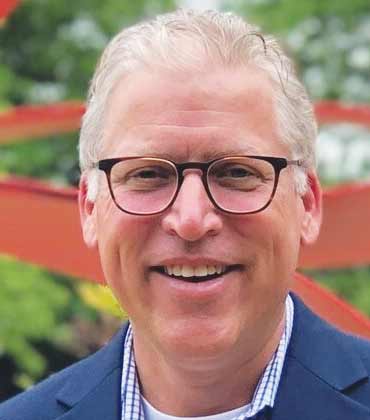
Sean Reish bio:
Sean is the VP of Global Project Development at TAIT and has a market focus on permanent installations, theme parks, LBE, and attractions. At TAIT and previously at Wartsila (formerly FUNA, a L3 Company), Mr. Reish has leveraged his extensive experience to generate an award-winning presence in the AVLNC (audio, visual, lighting, network, and control) sector. Before coming to the commercial side of the entertainment business early in his career, he trained professionally at Florida state university (BFA) and the north carolina school of the arts (MFA). Sean has successfully forged new theatrical, theme park, and attraction project developments during his career in North America, Europe, the UAE, Mainland China, Hong Kong, Japan, Singapore, and most recently Vietnam. Sean is a themed industry veteran with more than 25 years of attraction design, live show, entertainment, and integration experience at AVLNC Systems. Prior to joining Wartsila and TAIT, he served in key roles at broadway theatrical, LBE attractions and themed entertainment organizations, and Universal Orlando. Sean’s successful participation in the global theme industry over the past decades has yielded a steady and trusted customer relationship reliant on clear communication, expected performance, and exemplary customer service.

